Or shoot me an email if that’s more your style- [email protected].

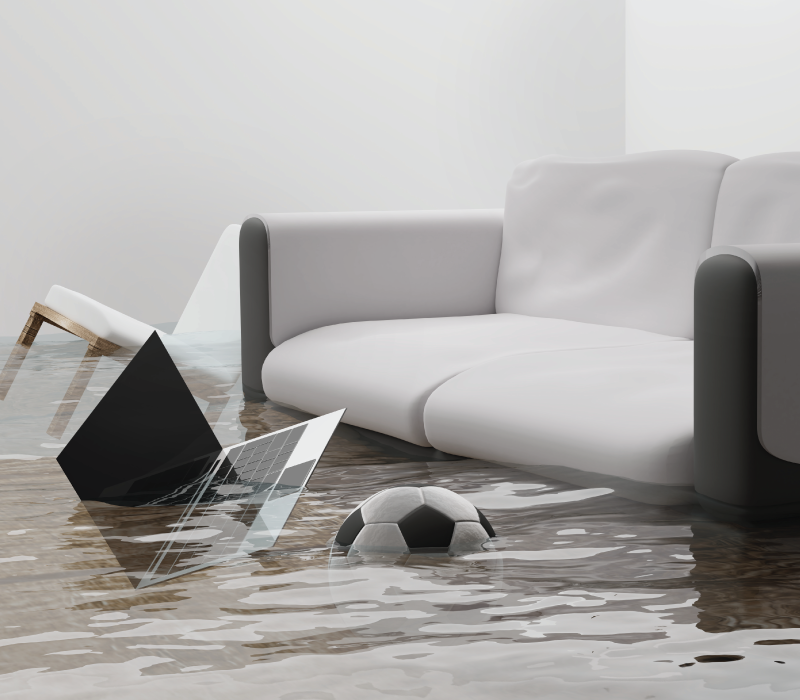
Even if you are not ‘in a high risk flood zone’- its high time (yep, I totally did that!) for all homeowners to rethink buying a flood insurance policy. For instance, look at Hurricane Florence and Hurricane Harvey where the damage was severe and many homes and businesses were damaged by flooding, but many homeowners did not have flood insurance.
So the term ‘flood’ can mean a lot of things in the English language, which can make this a tricky question. I get this confusion from home buyers all the time, especially first time buyers, when I ask-
Have you considered flood insurance for your property?
Let’s start with this:
*Disclaimer* Check with your insurance agent to determine the specific coverage on your home policy.
Lets start with FEMA’s definition:
‘A general and temporary condition of partial or complete inundation of 2 or more acres of normally dry land area or of 2 or more properties (at least 1 of which is the policyholder’s property) from:
In short- flooding is a temporary overflowing of water onto land that is normally dry.
I like to say- Water rising up from outside- flood.
Water coming down, not a flood.
But flooding does not have to be caused by a body of water! It can be caused by heavy rain or snow melt, coastal storms and storm surge, waterway overflow from being blocked with debris or ice, or overflow of levees, dams, or waste water systems. It can happen slowly or happen very quickly with little or no warning as in a ‘flash flood’.
A flood zone is a designation, not a determination if a flood will ever occur.
Is every property at risk for flood? Yes, absolutely.
But the bank doesn’t require flood insurance?
This doesn’t matter! Over a 30 year mortgage you have a 26% chance of a having damage from flood vs a 10% chance of damage from a fire.
What is the truth about 100-year floods?
Yes!
Everyone who owns a home or property should get flood insurance!
Even if you:
Floods are the most common and costly of all weather-related natural disasters! Check out more info on what you should know and how to prepare for a flood at ready.gov
Every Property Can Sustain Flood Damage
Some properties are more flood-prone than others, of course. Ocean- or river-front property is more likely to flood than homes located on higher ground. The good news is that it’s relatively inexpensive to buy flood insurance if you live in a low risk area.
Here is a video of recent flooding on the Saw Mill Parkway, right up the street in Hastings on Hudson NY.
Homeowners in Westchester County, New York City and all of New York should be especially diligent about buying flood insurance.
According to the NY Times – with its 520 miles of coastline and thousands of acres of waterfront development, New York City has more residents living in high-risk flood zones than any other city in the country.
There are two types of flood insurance—one is available through FEMA and the other is available through private insurers.
The National Flood Insurance Program, or NFIP, offers flood insurance through FEMA. As long as your community is in one of the communities that participate in the program, you should be eligible for both types of NFIP coverage—building (the house itself) and personal property (your stuff).
Building coverage is coverage for what it would cost to repair or replace your home up to $250,000
Personal property coverage replaces up to $100,000 in items and includes the depreciated value. So, if you paid $2,000 for that TV three years ago, personal property coverage would pay for what it would be worth today rather than what you paid for it originally or what it would cost to replace it.
Check out the Declarations Page of your insurance policy or talk to your local insurance agent to find what your coverage includes.
What’s typically covered?
Here is a breakdown of what is and isn’t typically covered under each.(6)
Only a limited number of insurers offer private flood insurance—flood insurance not funded through the federal government. Because private flood insurance policies vary greatly by the insurance companies that offer them, you should understand the terms of coverage.
What Does It Cover?
Depending on the company and your specific policy you can get coverage for the full replacement amount of your home (Building Coverage) your belongings (Personal Property Coverage). Private flood insurance typically offers the option of a higher level of coverage than NFIP’s $250,000 limit on your home and $100,000 limit on your belongings.
What’s typically covered?
You can also combine both types of policies (NFIP and Private) for the best coverage.
Consider carrying the maximum amount of coverage through NFIP combined with additional coverage through a private insurer.
When you purchase your property (or right now !)
Flood insurance is available through the National Flood Insurance Program, a government program managed by FEMA, and available through virtually any insurance agency.
There are also more private flood insurers who are entering the market!
Let’s say you’ve heard weather forecasts of heavy runoff from snowmelt. Concerned about your property, you call to buy flood insurance to protect your home. The government knows that many people who would buy such coverage may be in imminent danger. That’s why they require a 30 day waiting period for coverage to take effect – unless you’re buying property and coverage is required by your lender.
But the good news is- if you are not in a zone determined to be high risk, flood insurance is very affordable often- $300-$500 per year!
So…. if you are still confused (or maybe even more confused!), and want to talk with an expert who can walk you through your options…. lets set a time to chat!
Or shoot me an email if that’s more your style- [email protected].
I speak insurance, so you don’t have to!